How WOOW Golf makes kids golf fun and more than just a sport
Traditional golf was never designed for a three year old. This is how play, movement and simple targets turn a first golf session into something children ask to repeat.

Ferdinand Witt-Dörring
Co-founder, WOOW Golf
Golf can be a magical sport. Anyone who has stood on a quiet course at seven in the morning knows that. But let us be honest about one thing: traditional golf was never designed with a three year old in mind.
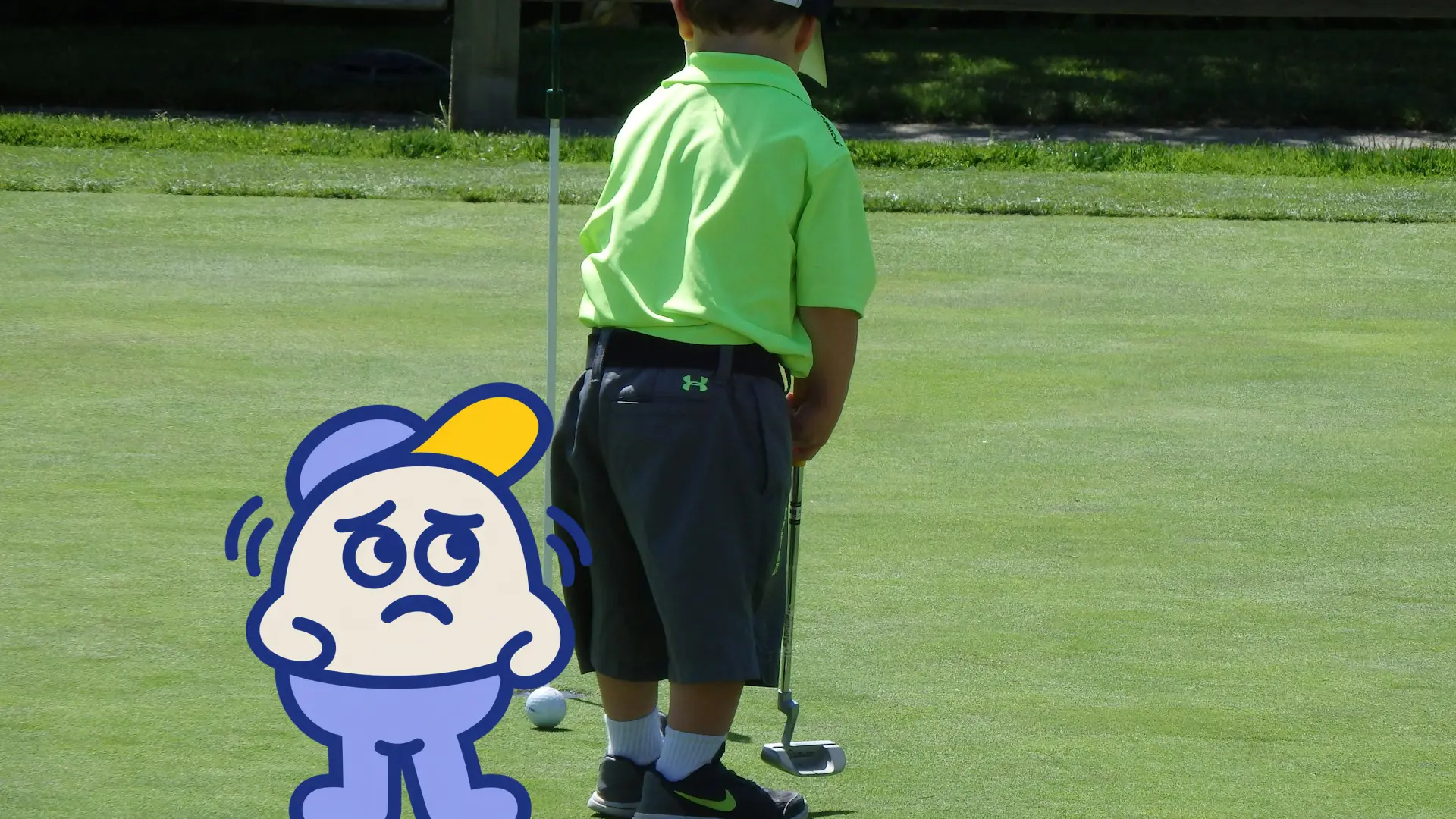
For a young child, a golf course is a long walk with a lot of waiting, a lot of rules and a lot of "not like that". None of those are reasons a four year old falls in love with anything.
So at WOOW Golf we started from the opposite end. Instead of asking how to simplify golf for children, we asked what children already love doing, and how golf could look if it were built out of that.
Children do not learn sport, they play it
Adults learning golf think in technique: grip, posture, plane, tempo. Children do not think in any of those. They learn by exploring, copying, repeating and celebrating.
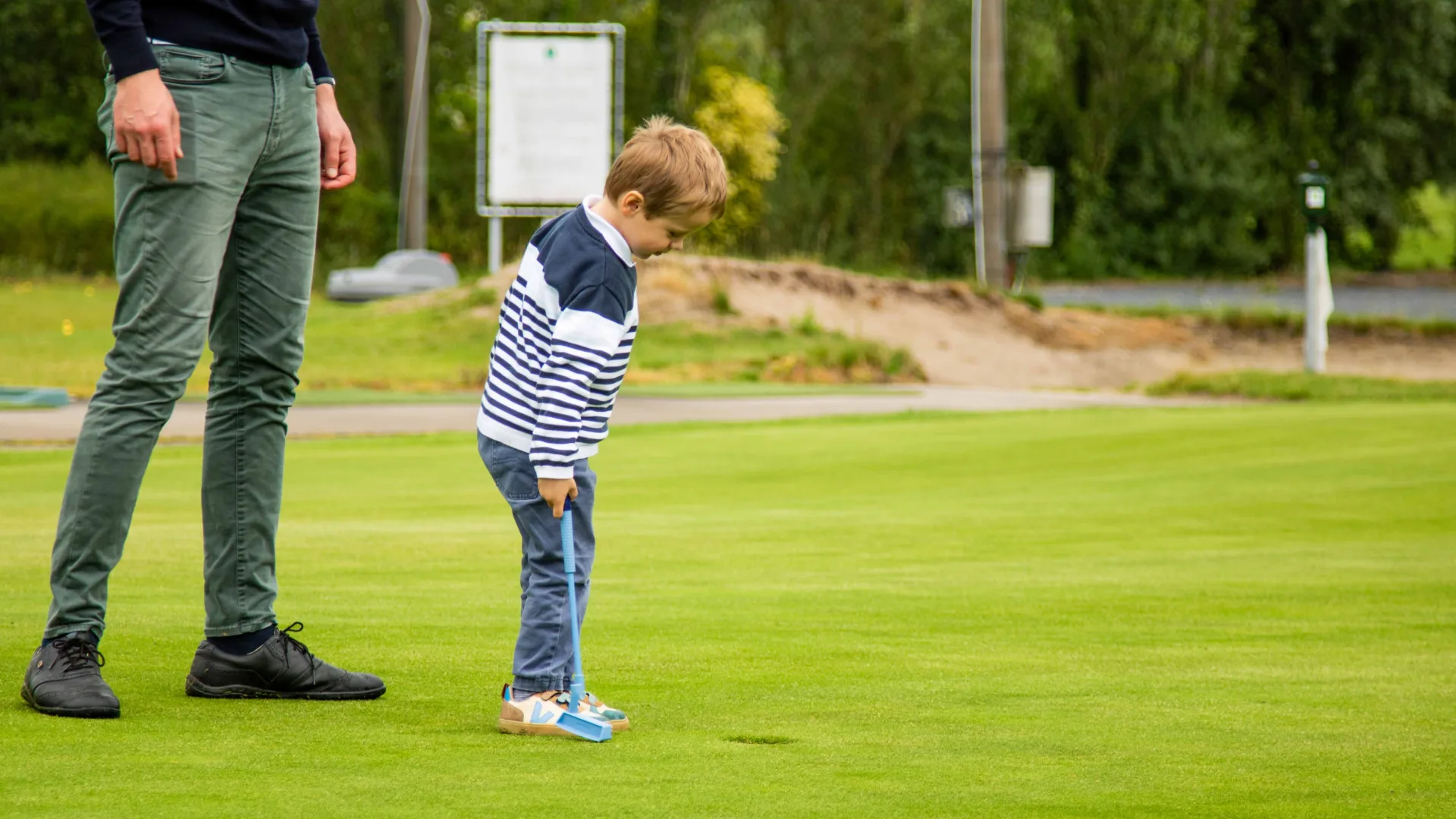
Give a four year old a target and they will invent a game around it within seconds. Give them a drill and they will leave. The difference is not attention span, it is framing. The same twenty swings can be a lesson or a competition against a sibling, and only one of those gets repeated tomorrow.
Everything we make follows from one principle: the first experience of golf should feel like a game, not a lesson.
That means:
- Targets instead of instructions
- Immediate visible results instead of delayed correction
- Short rounds of play instead of a scheduled session
- Small wins that are worth celebrating out loud
When those first moments feel good, children build a positive association with the sport that can carry for decades.
What golf actually teaches a young child
The swing is the smallest part of what a child picks up. Play based golf develops a set of skills that show up far beyond the game:
Hand eye coordination. Striking a small stationary ball with a moving object is a precise timing task, repeated hundreds of times without ever feeling like a test.
Balance and body control. A golf swing is a full body rotation on a stable base. Few activities at this age ask for that combination as directly.
Focus and resilience. A missed shot has an obvious cause and an obvious retry. Children learn to adjust and go again, which is a remarkably transferable habit.
Turn taking and social play. Golf is naturally sequential. Someone swings, everyone else watches and waits. That structure teaches patience without a lecture attached.
This is why we describe WOOW as more than a sport for children. The golf is the vehicle. The movement, confidence and attention are the cargo.
Children should learn to move, explore and enjoy a sport long before they worry about technique.
The research behind play first
This is not just a brand philosophy. The World Health Organization recommends that children under five spend at least 180 minutes a day in physical activity, with an emphasis on activities involving coordination, movement and balance during early childhood.
On the learning side, the American Academy of Pediatrics is explicit that play based activity supports healthy brain development and builds cognitive, social and motor skills together rather than separately.
Both point the same direction. For a child under five, the format of the activity matters as much as the activity itself, and the format that works is play.
Golf that fits inside real family life
The other barrier is practical. Driving to a course, booking a slot and managing a young child there is a lot to ask of a Saturday, and it makes golf an occasional event rather than a habit.
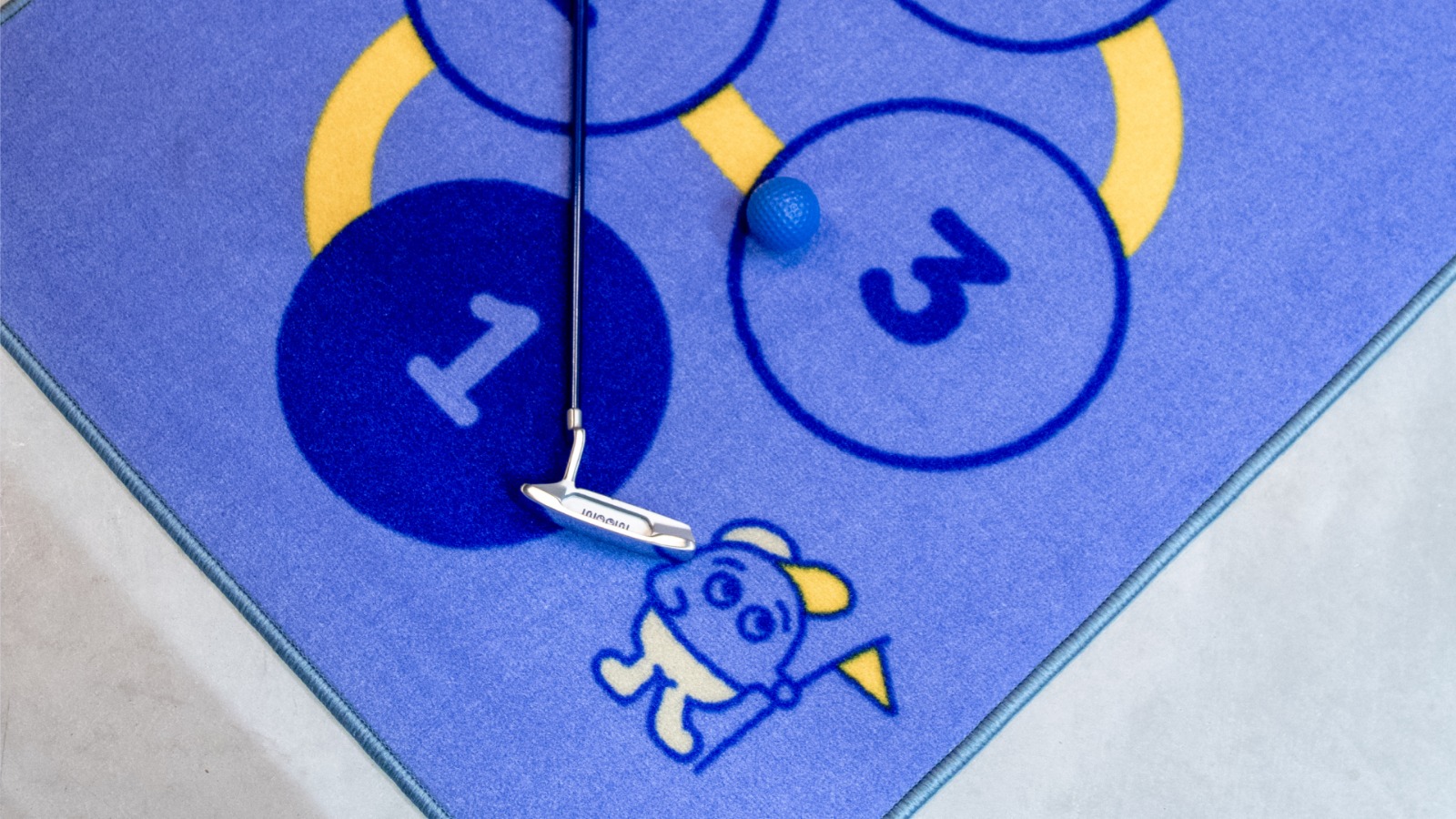
We designed WOOW so golf can happen where children already are. The WOOW Start Putter Mat works in a living room, a garden, a playroom, a classroom or a daycare corner. Two minutes before dinner counts. Ten minutes on a rainy afternoon counts. Frequency beats intensity at this age, and frequency only happens when the barrier is close to zero.
How it comes together
Instead of shrinking adult equipment, we started from how children move and built from there:
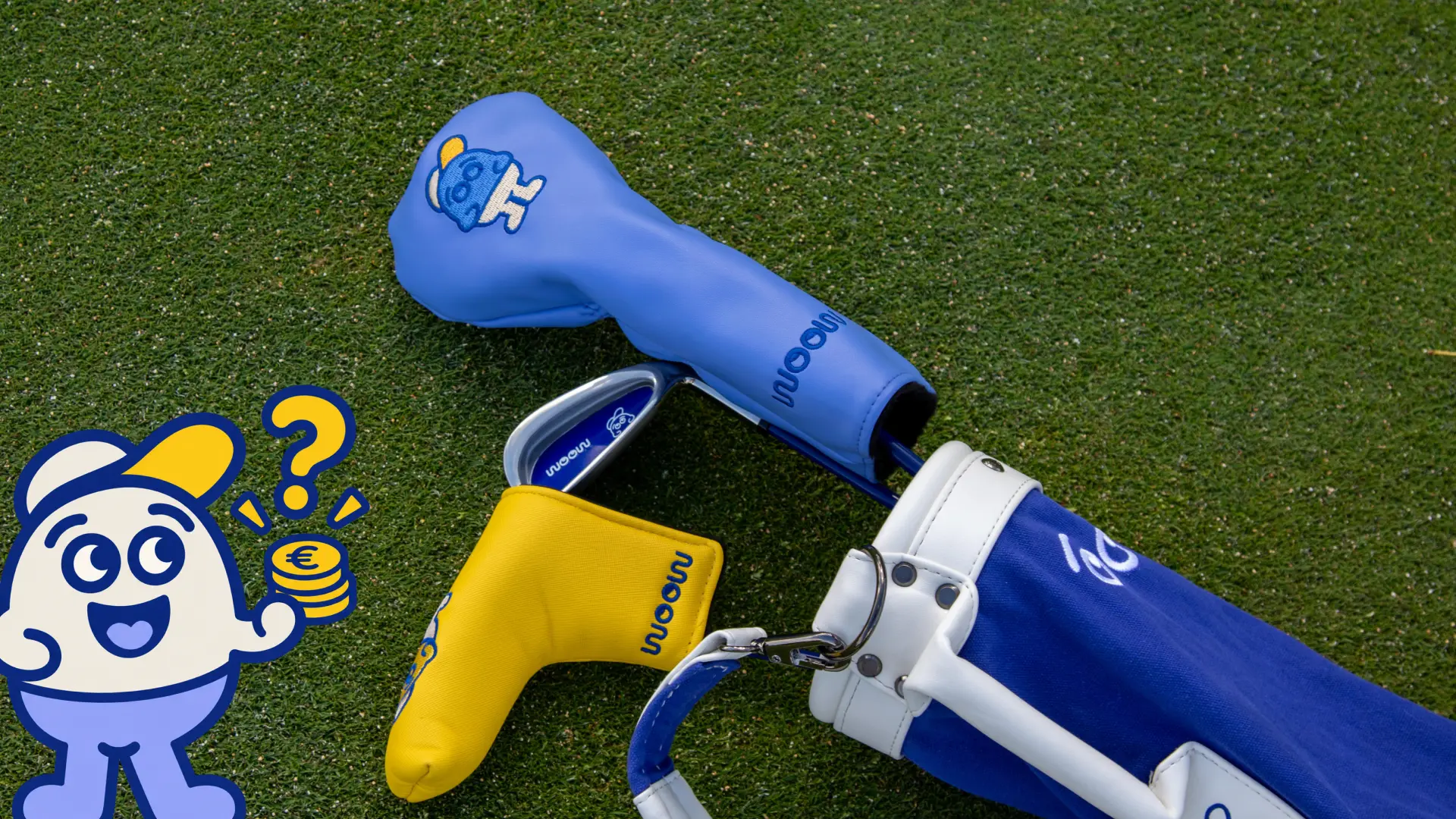
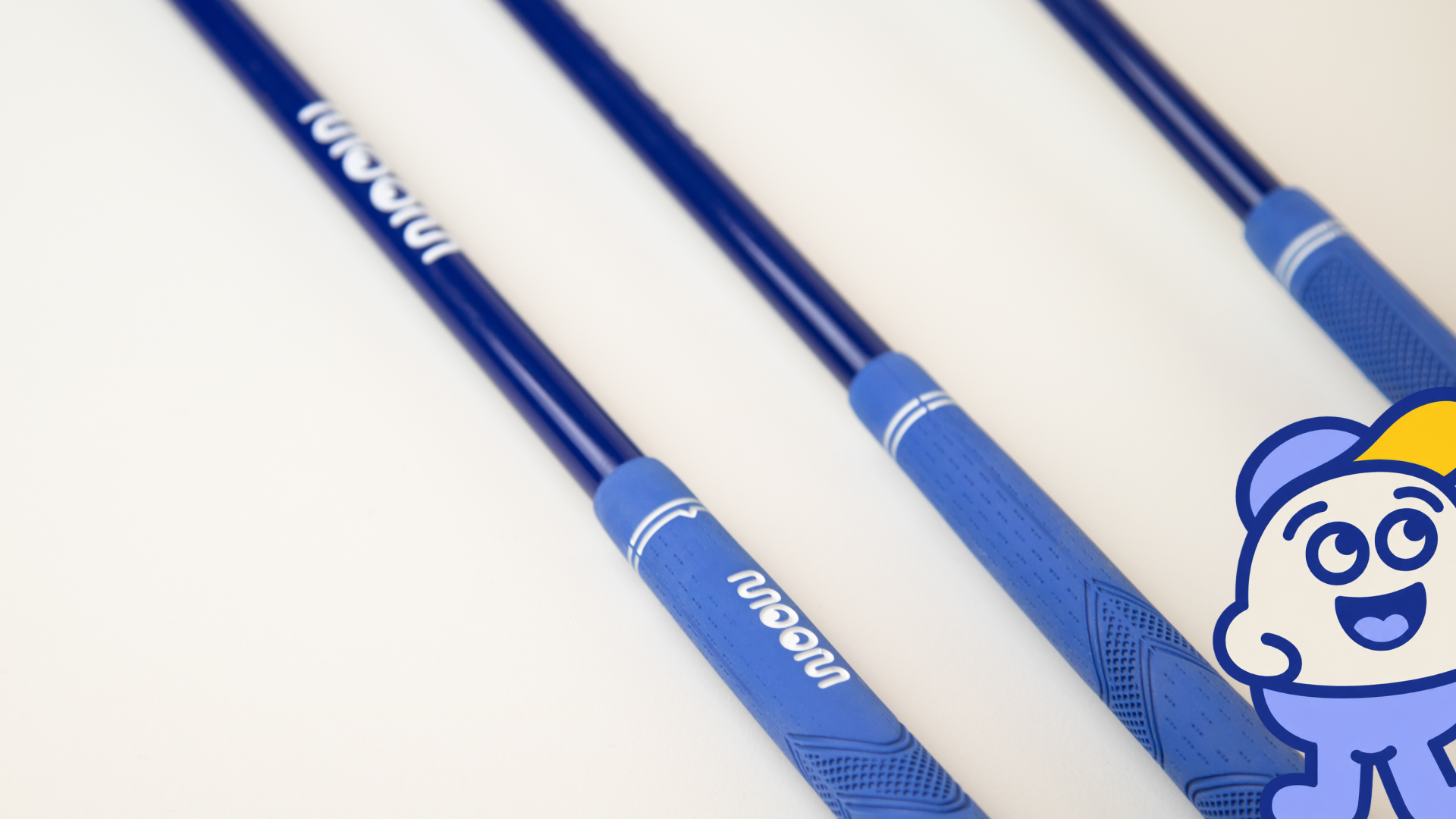
- Clubs weighted per club, from 210 to 270 grams so a small body can rotate freely
- Grips and lofts sized for small hands and slow swing speeds, so the ball actually gets airborne
- Colour coded targets and simple challenges that turn repetition into a game
- A putter designed as a first club, not a scaled down version of a professional one
The mat and the targets are the visible part. The real goal underneath is bigger: helping a child discover the joy of movement and the confidence that comes with getting better at something.
Where to start at home
If you are introducing golf to a three or four year old this week, keep it embarrassingly simple:
- Pick one target and make hitting it the whole game.
- Keep the first session under ten minutes, and stop while they still want more.
- Celebrate contact, not accuracy. Accuracy arrives on its own.
- Play with them rather than coaching them. Copying beats instruction at this age.
That is genuinely most of it. The technique conversation can wait a few years.
Final thoughts
At its best, golf is a sport that stays with you for life. Whether that journey begins at all is usually decided in the first few sessions.
Start with pressure, rules and technique and many children lose interest before they ever meet the magic of the game. Start with play, curiosity and small wins and something different happens. They explore. They experiment. They ask to go again.
That is exactly what we are building at WOOW Golf: a playful first step into a sport that can become a lifelong one. The toddler golf guide for ages three to five is a good next read if you want the practical detail.
Ready to compare equipment? Use our European kids golf club buying guide to check height, weight, grip, club choice, shipping and returns before you order.
Last updated 23 August 2026
Share this article